BOEING ASASH0RTAPP Approach
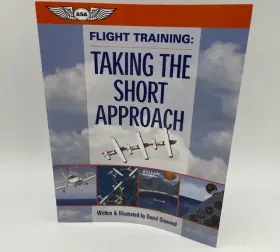
( Brand: Boeing ), ( Manufacturer Part Number: ASASH0RTAPP )
Review BOEING Genuine Taking The Short Approach New Oem
The Boeing Aspect Avionics Short-Term Memory (STM) Aviation Application for Approach is an innovative electronic flight bag (EFB) solution designed to enhance the safety and efficiency of pilots during the critical phase of landing approach. This application is developed by Boeing's subsidiary, Aspect Avionics, and is intended to be used with the STM 5100 or 6100 EFB series.
The Boeing Aspect Approach application offers a range of advanced features to assist pilots in navigating complex approaches with greater precision and confidence. The application integrates with the Global Positioning System (GPS) and Inertial Navigation System (INS) of the STM EFB to provide accurate and reliable approach information.
One of the most notable features of the Boeing Aspect Approach application is its database of over 13,000 instrument approaches from around the world. This extensive database ensures that pilots have access to the latest and most accurate approach information, regardless of their location or destination. The application supports both ILS and NAVAID approaches, as well as RNAV (Area Navigation) approaches, making it a versatile tool for pilots flying various types of aircraft.
The Boeing Aspect Approach application also provides pilots with real-time visual and auditory alerts for critical approach information, such as glideslope deviations, runway heading, and approach minimums. The application's clear and intuitive graphical interface allows pilots to easily monitor their approach progress and make informed decisions in real-time.
Another valuable feature of the Boeing Aspect Approach application is its ability to interface with the aircraft's autopilot system. This integration allows the application to automatically engage the autopilot during the approach, reducing the workload on the pilot and increasing situational awareness.
The Boeing Aspect Approach application is also designed to be highly customizable, allowing pilots to configure the application to suit their specific needs and preferences. The application supports multiple user profiles, allowing each pilot to save their preferred approach settings and preferences. Additionally, the application supports multiple approach displays, allowing pilots to easily switch between different views to optimize their approach experience.
In summary, the Boeing Aspect Approach aviation application is a powerful and versatile tool for pilots seeking to enhance their landing approach experience. With its extensive database of approach information, real-time alerts, autopilot integration, and customizable interface, the Boeing Aspect Approach application is an essential addition to any pilot's electronic flight bag.
The Boeing Aspect Avionics System (ASAS) is a fly-by-wire system designed to enhance the capabilities of older Boeing commercial aircraft, including the 737 Classic and Next-Generation models. Here are some potential pros and cons of buying a ASAS for your Boeing 737 fleet:
Pros:1. Enhanced safety: ASAS provides more stable and predictable aircraft behavior, reducing the workload on pilots and improving overall safety.
2. Improved fuel efficiency: ASAS optimizes engine thrust and airspeed to reduce fuel consumption and improve overall aircraft performance.
3. Increased capacity: By allowing airlines to operate older Boeing 737s with the same level of safety and efficiency as newer models, ASAS can help airlines extend the life of their fleets and increase capacity.
4. Regulatory compliance: ASAS is required by some regulatory bodies, such as the European Union Aviation Safety Agency (EASA), for certain older Boeing 737 models to continue operating in Europe.
5. Cost savings: While the initial cost of installing ASAS can be high, airlines can save money in the long run by avoiding the cost of purchasing new aircraft and the associated training and certification costs.
Cons:1. High up-front cost: The cost of installing ASAS can be significant, and airlines may need to invest in additional training and certification for their pilots and maintenance personnel.
2. Disruptive installation process: The installation process for ASAS can be disruptive, requiring extensive downtime for each aircraft in the fleet.
3. Compatibility issues: ASAS may not be compatible with all older Boeing 737 models, which could limit its usefulness for some airlines.
4. Maintenance requirements: ASAS requires regular maintenance to ensure continued safe and efficient operation, which can add to the overall cost and complexity of fleet management.
Conclusion:Overall, the decision to invest in the Boeing ASAS system depends on a number of factors, including the specific needs and resources of an airline's fleet, regulatory requirements, and the cost-benefit analysis of the investment. While there are some significant up-front costs and installation challenges associated with ASAS, the long-term benefits of enhanced safety, improved fuel efficiency, and increased capacity can make it a worthwhile investment for many airlines operating older Boeing 737 models.
Recommendation:If you are an airline operating older Boeing 737 models and are considering the investment in ASAS, I would recommend carefully evaluating the specific benefits and costs of the system for your fleet. Consider factors such as regulatory requirements, fuel efficiency goals, and the potential impact on overall fleet capacity and cost structure. Additionally, be sure to carefully consider the installation process and associated costs, and explore financing or leasing options that may help to spread out the up-front investment. Ultimately, if the benefits of ASAS align with your strategic goals and financial resources, it may be a worthwhile investment to help extend the life and improve the performance of your Boeing 737 fleet.
Details:
Buyer should verify this is the exact part needed before purchasing.
part #: asash0rtapp price
- $22.11
specifications pilogear:
- brand: Boeing
- mpn: Asash0rtapp
payments pilogear:
- credit card: Visa
- other
- wallet: Paypal
seller pilogear:
- city: Beaver Dam, WI
- rating: 99.4%
- # reviews: 12048
general pilogear:
- Parts Accessories > Aviation Parts Accessories > Pilot Gear
- condition: New
offer pilogear:
- sold: 0
- quantity: 1
- best offers: True
- availability: In Stock
- started: May 31, 2025
- options: Ship-to-home
shipping pilogear:
- type: Fixed
- service: Standard
- class: Standard
- transit: 3-5 Days
- cost: $15.95
returns pilogear:
- time: 30 Days
- paid by: Buyer
- policy: Returns Accepted
Boeing ASASH0RTAPP Is Similar To:
- Hot Fabs Llc B737hdsthldr Boeing 737 Headset Hanger Red Color Holds Your Out Of The Way (24.2% similar) Discount for combined shipping. You can still open the window. The unique design here is: also its 3d printed out of plastic - but is thick enough that it will not break unless you are trying to it! and designed with tight tolerances according the aircraft pen slots so won't fall...(December 29th, 2024)
- Boeing 580080050208 New 747 Illustrated Magnet Aviation (24.3% similar) The magnet features the iconic Boeing 747 aircraft, making it a great conversation starter and idea for pilots aviation fans. This brand new Boeing 747 illustrated magnet is a must-have for aviation enthusiasts and collectors alike. Get your hands on this unique and stylish magnet today...(March 5th, 2025)
- Boeing 036z0042-2 Genuine Top Kit Telex Hand Held Mi New Oem (50% similar) Buyer should verify this is the exact part needed before purchasing...(May 20th, 2025)
- Boeing 478w3160-3 Genuine Lanyard Asm New Oem (57.1% similar) Buyer should verify this is the exact part needed before purchasing...(May 20th, 2025)
- Boeing S2420-17 Genuine Lanyard New Oem (56.6% similar) Buyer should verify this is the exact part needed before purchasing...(May 21st, 2025)
- Boeing 832z3127-14 Genuine Moosenose New Oem (50% similar) Buyer should verify this is the exact part needed before purchasing...(May 31st, 2025)
- Boeing 832z3125-4 Genuine Moosenose New Oem (50.5% similar) Buyer should verify this is the exact part needed before purchasing...(May 31st, 2025)
- Boeing 832z3125-3 Genuine Moosenose New Oem (50.5% similar) Buyer should verify this is the exact part needed before purchasing...(May 31st, 2025)
- Boeing Asact8080-10a Genuine Sport Pilot instructor New Oem (60.5% similar) Buyer should verify this is the exact part needed before purchasing...(May 31st, 2025)
- Boeing A1067 Genuine Kit Headset Ear Seals Comf New Oem (52.2% similar) Buyer should verify this is the exact part needed before purchasing...(May 31st, 2025)
- Boeing 18688g05 Genuine Boom Microphone Cord Asm New Oem (51.7% similar) Buyer should verify this is the exact part needed before purchasing...(May 31st, 2025)
