DAVID CLARK DC-8692 Single Ear Radio Headset
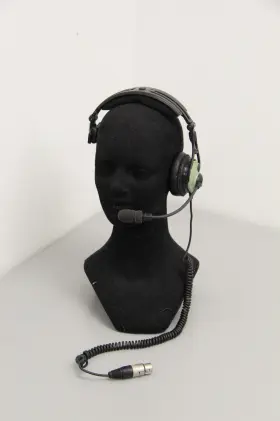
( Brand: David Clark ), ( Manufacturer Part Number: DC-8692 ), ( Part Type: Radio Headset ), ( Country Of Origin: United States )
Review DAVID CLARK Single Ear Radio Direct Headset Model Dc 8692
The David Clark DC-8692 Single Ear Radio Headset is a high-performance communication solution designed for professional use in various industries, including aviation, manufacturing, and first response services. This headset offers a streamlined design that delivers clear audio and exceptional comfort.
The DC-8692 features a lightweight, sleek design with a modern aesthetic. The single ear cup design ensures that the headset stays securely in place while allowing the user to maintain situational awareness. The boom microphone is adjustable, enabling users to position it for optimal voice pick-up. The ear cup is cushioned with soft, durable materials that conform to the ear, providing a comfortable fit for extended periods.
The headset utilizes David Clark's renowned audio technology, delivering crisp, clear sound through the high-sensitivity, wideband speaker. The noise-canceling microphone reduces background noise, ensuring that your voice is heard clearly by your team. The DC-8692 also offers a broad frequency response range, allowing for excellent communication in various environments.
The DC-8692 is built to withstand the rigors of daily use. It features a rugged construction with a durable, reinforced cable and a reinforced boom microphone. The headset is also compatible with various communication systems, including radios and intercoms, making it a versatile solution for a wide range of applications.
In summary, the David Clark DC-8692 Single Ear Radio Headset is a high-performance, comfortable, and versatile communication solution. Its modern design, clear audio, and noise-canceling microphone make it an essential tool for professionals in various industries. With its rugged construction and compatibility with various communication systems, the DC-8692 is a reliable and durable choice for those who need to stay connected in demanding environments.
A Detailed Analysis of the David Clark DC-8692 Single Ear Radio Headset
The David Clark DC-8692 Single Ear Radio Headset is a popular choice among pilots and aviation enthusiasts. This headset offers several advantages, but it also comes with some drawbacks. In this analysis, we will discuss both the pros and cons of this headset to help you make an informed decision.
Pros:1. Superior Sound Quality: The DC-8692 delivers clear and crisp audio, ensuring excellent voice communication and situational awareness.
2. Lightweight and Comfortable: Weighing just 6.8 ounces, this headset is lightweight and comfortable for extended use. The headband and ear cushions are cushioned for added comfort.
3. Noise Reduction: This headset features active noise reduction technology, effectively blocking out ambient noise and distractions.
4. Durable: The DC-8692 is built to last, with a robust design and high-quality components.
5. Versatile: This headset can be used with various aviation and communication devices, making it a versatile choice.
Cons:1. Single Ear Design: The single ear design may not be suitable for everyone, as it can lead to ear fatigue or discomfort after long periods of use.
2. Price: The DC-8692 is a premium headset, and its high price point may be a deterrent for some buyers.
3. Cable Management: The headset's cable can be cumbersome, and managing it during use can be a challenge, especially when wearing a helmet or other headgear.
4. Limited Battery Life: The DC-8692's battery life is relatively short, with an average usage time of around 6 hours.
Conclusion:The David Clark DC-8692 Single Ear Radio Headset offers superior sound quality, active noise reduction, and a lightweight, comfortable design. However, its single ear design, high price point, and limited battery life may be drawbacks for some buyers. Ultimately, the decision to purchase this headset depends on your specific needs, preferences, and budget.
Recommendation:If you prioritize clear audio, noise reduction, and a lightweight, comfortable design, the DC-8692 is an excellent choice. However, if you prefer a dual ear design or a longer battery life, you may want to consider other options. Before making a final decision, we recommend trying on the headset, if possible, and weighing the pros and cons against your personal requirements.
Details:
part #: dc8692 prices
- $100.00-$129.99
specifications pilogear:
- brand: David Clark
- mpn: Dc-8692
- part type: Radio Headset
- country of origin: United States
payments pilogear:
- wallet: Google-pay
- other
- credit card: Visa
general pilogear:
- Parts Accessories > Aviation Parts Accessories > Pilot Gear
- condition: Used
shipping pilogear:
- transit: 4-7 Days
- service: Standard
- type: Fixed
- cost: $9.99
- class: Standard
returns pilogear:
- policy: No Returns
seller pilogear:
- rating: 100.0%
- # reviews: 8100
- city: Orlando, Florida
offer pilogear:
- availability: In Stock
- sold: 0
- quantity: 2
- started: March 26, 2026
- options: Ship-to-home
David Clark DC-8692 Is Similar To:
- David Clark 10-76 Dave Model H10-76 Military Aviation Headset (41.3% similar) Good condition...(May 15th, 2024)
- David Clark 40422g01 H10-13.4 Aviation Headset Ga Plugs (48.3% similar) Dual GA plugs. It was recently tested and all functions work well with no issues. Satisfaction guaranteed with a 30 day warranty. This headset is in great condition. David Clark H10-13.4 aviation headset...(May 15th, 2024)
- David Clark H20-10s Aviation Headset (51.5% similar) ...(May 15th, 2024)
- David Clark 40416g-14 Aviation Headset Model H6240-51 Untested (55.1% similar) Theres cracking in the rubber that covers wires, but I don't see any broken wires. It could need some repairs. This item is untested...(May 15th, 2024)
- David Clark H9930 40990g-01 Headphones Dual Volume Control With Microphone In Box (34.2% similar) David Clark headphones dual volume control with microphone H9930, used condition, in excellent shape. Does not appear to have been used much. Strap looks like it may have been used see pictures. Comes with paperwork and instruction manual. In original box, box has some water damage see...(May 16th, 2024)
- David Clark H6240-24 Behind The Head 40416g-16 Headset-microphone (47.3% similar) Still has tag and plastic over cord. See pictures for details. Plastic outer cord cover has small crack but inner wire intact. David Clark 40416G-16 model H6240-24 behind the head 40416G-16- no adapter needed radio direct headset-microphone as pictured. Guaranteed working order...(May 16th, 2024)
- David Clark 43102g-01 Headset Dc One-x (50.5% similar) This headset is no exception, with its advanced technology and durable design. This David Clark headset, model dc one-x 43102G-01, is a top-of-the-line aviation accessory for pilots. The headset is designed for use with various aviation devices and features a range of functionalities to enhance...(May 16th, 2024)
- David Clark 40523g-01 Uav Single Ear Headset Microphone M-87 Dynamic Mic Used (56.3% similar) Condition is used. David Clark AV single ear headset microphone 40523G-01 M-87 dynamic mic used. Shipped with USPS ground advantage...(May 16th, 2024)
- David Clark H10-66 Military Aviation Headset Requires New Cord (55.1% similar) Shipped with USPS ground advantage. David Clark H10-66 military aviation headset requires new cord. Condition is used...(May 17th, 2024)
- David Clark H8530 Double Muff Headset (49% similar) David Clark H8530 double muff headset. In good, working condition...(May 17th, 2024)
- David Clark H20-10 Aviation Headset Ga Plugs Tsoftd free Shipping (43.6% similar) The adjustable headband assembly provides an airflow to prevent heat buildup and a unique combination of foam that touches your head like soft pillow. Let's you select a comfortable listening level. Dome and stirrup swivels providing universal fit for ear domes to side of your head. Contoured ear...(May 17th, 2024)
