MCP MA-172 Aircraft Fuel Tester Jar Aircraft/aviation 4OZ 2.0
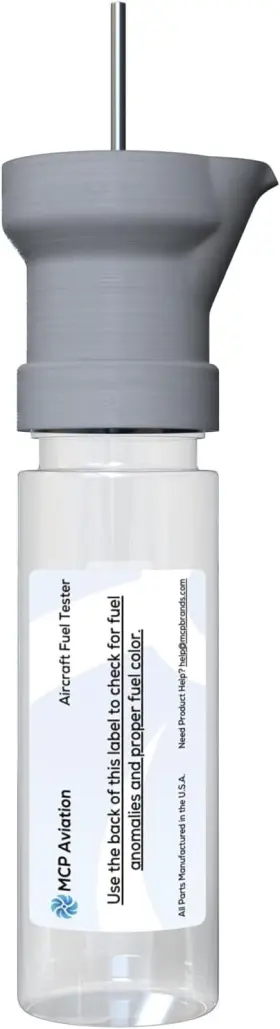
( Brand: Mcp ), ( Manufacturer Part Number: MA-172 ), ( Part Type: Fuel Tester Aviation Jar ), ( Sbin: C-09 )
Review MCP Aircraft/aviation Fuel Tester 4oz Compact Aviation Testing Jar 2.0
Introducing the MCP MA-172 Aircraft Fuel Tester, a compact and essential tool for aviation professionals and enthusiasts alike. This 4oz (118ml) jar 2.0 tester comes from the reputable brand MCP, known for its high-quality aviation testing equipment.
The MA-172 Fuel Tester is designed to accurately and efficiently test jet fuel, avgas, and other types of aviation fuel for contaminants and water content. The tester utilizes a unique and effective catalyst which reacts with water in the fuel to produce a distinct color change. The presence of water in aviation fuel can lead to engine damage or even failure, making this tester an indispensable safety tool.
The MA-172 Fuel Tester is easy to use, simply dip the test strip into the fuel sample and observe the color change on the strip within seconds. The color chart provided with the tester allows for quick and accurate interpretation of the test results. The tester is also designed to be durable, with a sturdy and waterproof container that protects the test strip from damage and contamination.
The MA-172 Fuel Tester is a must-have for aviation professionals, including pilots, mechanics, and fuel handlers, as well as aviation enthusiasts and hobbyists. It is also ideal for use in remote locations, where access to laboratory testing equipment may not be readily available. With its compact size and portable design, the MA-172 Fuel Tester can be easily carried in a toolkit or travel bag, making it a versatile and convenient tool for all your aviation fuel testing needs.
In summary, the MCP MA-172 Aircraft Fuel Tester is a reliable, accurate, and easy-to-use tool for testing aviation fuel for water contamination. Its durable design and compact size make it an essential addition to any aviation professional's toolkit or for aviation enthusiasts.
The MCPL MA-172 4oz Jet Fuel Tester is a laboratory instrument designed for the quick and accurate determination of jet fuel quality. Here are some pros and cons that may help in making a purchasing decision:
Pros:1. High Accuracy: This fuel tester uses a colorimetric method to determine the kerosene content in jet fuel. It is known for its high accuracy and can detect even small amounts of contaminants.
2. Easy to Use: The tester is easy to use and requires no calibration. The results are read directly from the color chart provided with the kit.
3. Portable: The small size and lightweight design make it easy to carry and use in various locations.
4. Cost-Effective: The tester is a cost-effective solution for regular fuel quality checks. It eliminates the need for expensive laboratory testing.
5. Wide Compatibility: The tester is suitable for testing various types of jet fuels, including JP-4, JP-5, JP-8, and others.
Cons:1. Limited Sample Size: The tester can only test a small sample size (approximately 10 ml) at a time.
2. Sensitivity to Temperature: The test results can be affected by temperature, and the tester may need to be used at a specific temperature range for accurate results.
3. Limited Lifespan: The reagents in the tester have a limited lifespan, and they need to be replaced periodically for accurate results.
4. Manual Process: The tester is a manual process, and it requires visual comparison to the color chart for results.
In conclusion, the MCPL MA-172 4oz Jet Fuel Tester is a useful tool for aviation professionals and those responsible for fuel quality checks. Its high accuracy, ease of use, portability, cost-effectiveness, and wide compatibility make it a valuable investment. However, its limited sample size, sensitivity to temperature, limited lifespan, and manual process may be considered drawbacks for some users. Ultimately, the decision to purchase this fuel tester depends on the specific needs and resources of the user.
If accurate, quick, and cost-effective jet fuel testing is a priority, then the MCPL MA-172 4oz Jet Fuel Tester is a recommended option. However, for larger sample sizes or more complex testing requirements, alternative laboratory testing methods may be more appropriate.
Details:
All components are manufactured and assembled in the USA.
part #: ma172 prices
- $14.99-$22.99
specifications pilogear:
- brand: Mcp
- mpn: Ma-172
- part type: Fuel Tester Aviation Jar
- sbin: C-09
offer pilogear:
- started: November 16, 2025
- availability: In Stock
- sold: 0
- quantity: 1
- options: Ship-to-home
general pilogear:
- Parts Accessories > Aviation Parts Accessories > Pilot Gear
- condition: New
shipping pilogear:
- transit: 3-6 Days
- service: Economy, Standard, Expedited, Overnight
- cost: $0.00
- type: Fixed
- class: Economy, Standard, Expedited, One-day
seller pilogear:
- # reviews: 642
- rating: 99.6%
- city: Chesterland, Ohio
payments pilogear:
- wallet: Apple-pay
- other
- credit card: Mastercard
returns pilogear:
- paid by: Seller
- time: 30 Days
- policy: Returns Accepted
